Introduction
Flying with a dog requires careful planning, especially when your pet cannot travel inside the cabin. Airlines may transport dogs as checked baggage or manifest cargo, depending on the route, aircraft, dog’s size, and applicable regulations. Understanding temperature embargoes and crate specifications is essential for protecting your dog throughout the journey.
Flying with dogs as checked baggage or cargo involves more than booking a flight. Pet owners must consider weather conditions, airport handling, ventilation, travel documents, and airline-specific requirements. A suitable travel crate also helps prevent injuries and gives your dog enough space to remain comfortable.
This guide explains how checked baggage and cargo services work, why temperature restrictions matter, and how to prepare your dog for safe air travel.
Flying with Dogs as Checked Baggage or Cargo: Understanding the Difference
Before booking, determine how your airline transports animals. Checked-pet services and manifest cargo services follow different procedures, even when both involve transporting dogs in aircraft holds.
What Does Traveling as Checked Baggage Mean?
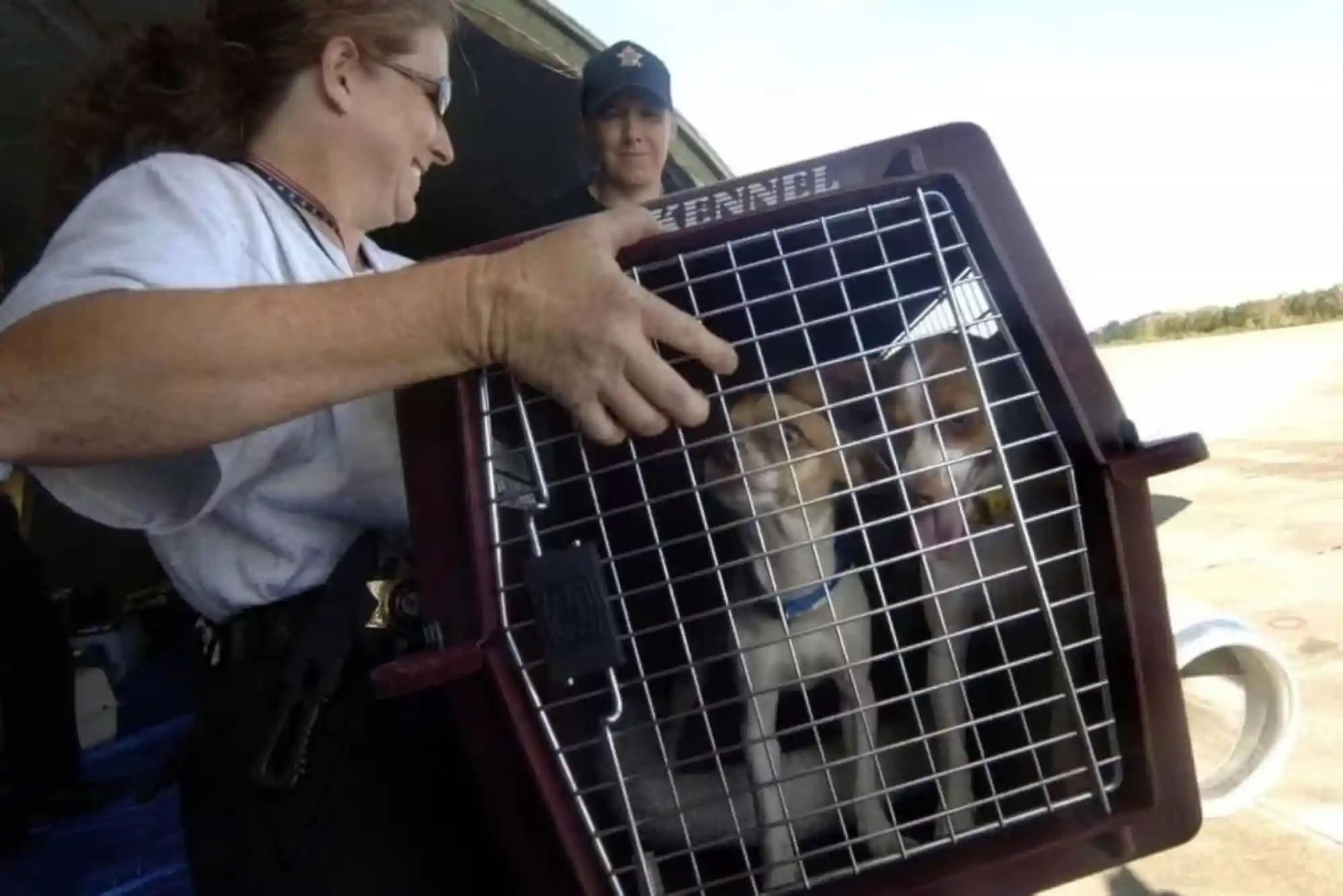
Some airlines accept eligible dogs as checked pets accompanying their owners. The dog travels in an approved, temperature-controlled aircraft compartment when available. The owner typically completes the pet booking alongside their own flight reservation.
However, checked-pet services are not available on every route. Certain airlines restrict them by aircraft type, season, destination, or dog size. Therefore, confirm acceptance directly with the airline before purchasing tickets.

What Does Traveling as Cargo Mean?
Manifest cargo means the dog travels through an airline’s cargo service rather than as a checked pet attached to the passenger reservation. This arrangement may be necessary for unaccompanied animals, international relocations, large dogs, or routes without checked-pet facilities.
Cargo transportation often requires separate booking procedures and additional documentation. You may also need to use an authorized pet shipping agent, depending on the airline and destination.
Importantly, cargo does not automatically mean less safe or less comfortable. The actual conditions depend on the carrier, handling arrangements, aircraft facilities, and journey length.
Temperature Embargoes When Flying with Dogs as Checked Baggage or Cargo
Temperature embargoes are temporary or seasonal restrictions that prevent airlines from accepting animals under certain weather conditions. They help reduce the risk of heat stress, cold exposure, and other environmental hazards.
Why Do Airlines Impose Temperature Restrictions?
Dogs can experience dangerous temperature changes while waiting on airport ramps, during loading, or between connecting flights. Heat can cause dehydration and overheating, while severe cold can contribute to hypothermia.
Even when an aircraft compartment is suitable during flight, ground handling may expose animals to challenging conditions. Consequently, airlines consider temperatures at departure, arrival, and connecting airports.
Some carriers also consider forecast temperatures, seasonal conditions, and the expected time animals spend outside climate-controlled facilities.
How Do Heat and Cold Embargoes Work?
A heat embargo may prevent pet transportation when forecast temperatures exceed the airline’s permitted limit. A cold-weather embargo may apply when temperatures fall below the carrier’s minimum threshold.
There is no universal temperature limit for every airline. Restrictions vary according to company policies, animal transport arrangements, aircraft equipment, and local regulations.
For this reason, do not assume that a route accepting dogs in winter will also accept them during summer. Ask the airline for its current temperature policy and the conditions that could cancel transportation.
How Can You Reduce Weather-Related Risks?
Choose travel dates with moderate weather whenever possible. Avoid the hottest part of the day when scheduling allows, and consider routes with fewer connections.
Direct flights can reduce handling and waiting time. However, a direct flight is not automatically suitable if the aircraft or ground facilities cannot accommodate your dog safely.
Before departure, confirm that the airline has reviewed the forecast for every relevant airport. Also, establish what happens if an embargo prevents your dog from traveling after your own flight is confirmed.
Airline-Approved Crate Specifications for Dogs
A compliant crate is essential when flying with dogs as checked baggage or cargo. It must protect the animal, prevent escape, allow adequate ventilation, and provide enough room for normal movement.
How Large Should a Dog Travel Crate Be?
Your dog should generally be able to stand naturally without touching the top, turn around comfortably, and lie down in a normal resting position. Exact measurement formulas and permitted dimensions depend on the airline and applicable transport standards.
Measure your dog while standing, including the height of the head or ears when relevant. Measure body length and width carefully, then compare these measurements with the airline’s crate-sizing instructions.
Do not select a crate based only on your dog’s weight or breed. Two dogs with identical weights may require different crate sizes because of their body proportions.
What Materials and Features Are Required?
Airlines commonly require a rigid, leak-resistant crate made from approved materials. Depending on the carrier, acceptable designs may include durable plastic or fiberglass construction with secure fasteners.
The door must close securely, and the crate must resist accidental opening during handling. Some airlines require additional fasteners or specific locking arrangements.
Ventilation openings must provide sufficient airflow without creating escape risks. The crate should also have a leak-proof floor and an absorbent lining that does not obstruct ventilation.
Food and water containers may need to be attached securely and accessible to handlers. Follow the airline’s instructions regarding whether containers must be filled before check-in or supplied for later use.
Are Special Crates Required for Certain Dogs?
Some breeds and individual animals require extra consideration. Snub-nosed dogs, including certain bulldogs and pugs, may face greater respiratory risks during air travel.
As a result, airlines may prohibit these breeds from cargo transportation or apply additional restrictions. Breed rules can include crossbreeds and may differ between airlines.
Dogs with medical conditions, advanced age, or severe anxiety also need careful assessment. Speak with a veterinarian before booking if your dog has breathing difficulties or other health concerns.
Preparing Your Dog for Air Cargo or Checked Baggage
Preparation can make the journey less stressful for your dog. Begin several weeks before departure, particularly when your airline requires crate acclimation or additional veterinary documents.
Help Your Dog Become Comfortable With the Crate
Introduce the travel crate gradually at home. Leave the door open initially and encourage your dog to explore it voluntarily. Place familiar bedding inside if the airline permits it.
Gradually increase the time your dog spends inside the crate. Practice short periods with the door closed, rewarding calm behavior. This preparation can reduce anxiety during airport handling and flight delays.
Avoid introducing an unfamiliar crate immediately before departure. Dogs need time to develop confidence in their travel environment.
Arrange Veterinary Checks and Travel Documents
Check your destination’s animal import requirements before making a reservation. Depending on the route, your dog may need a microchip, rabies vaccination, health certificate, import permit, or parasite treatment.
Some countries also require specific waiting periods after vaccination or blood testing. International requirements can change, so consult the destination’s official veterinary authority.
Ask your veterinarian whether your dog is fit to fly. This is particularly important for puppies, senior dogs, pregnant animals, and dogs with breathing or heart problems.
Do not give sedatives unless your veterinarian specifically recommends a treatment plan. Sedation can create additional risks during air transportation, and some airlines prohibit sedated animals.
Plan for Feeding, Hydration, and Airport Check-In
Follow the airline’s instructions for feeding before departure. A light meal several hours before travel may be appropriate, but timing depends on your dog’s health and veterinary advice.
Provide access to water before check-in and follow the carrier’s requirements for attached water containers. Avoid making sudden changes to your dog’s regular diet immediately before departure.
Arrive within the airline’s specified acceptance window. Cargo shipments may require earlier delivery than checked pets, and some facilities operate separately from passenger terminals.
Keep copies of your booking confirmation, veterinary paperwork, identification details, and emergency contact information. Confirm who will receive your dog at the destination and how collection works.
Common Mistakes to Avoid When Flying with Dogs as Checked Baggage or Cargo
One frequent mistake is assuming that airline acceptance guarantees transportation in every weather condition. Temperature embargoes can change operational plans, even after an initial booking.
Another mistake is purchasing a crate without checking the airline’s specifications. A crate may appear sturdy but still fail the carrier’s dimensional, ventilation, or locking requirements.
Pet owners sometimes overlook connecting-airport rules. A dog accepted on the first flight may face restrictions on a later segment operated by another airline.
Booking too close to the departure date can also create unnecessary pressure. Cargo space, veterinary appointments, and government approvals may require advance planning.
Finally, do not assume every dog is suited to air transport. Discuss alternatives with your veterinarian if your pet has significant health concerns or struggles with confinement.
Frequently Asked Questions
Can dogs fly as checked baggage or cargo?
Yes, some airlines transport eligible dogs as checked pets, while others require manifest cargo services. Availability depends on the airline, destination, aircraft, dog size, breed, and applicable regulations. Contact the carrier before booking to confirm which option is permitted.
What temperature is too hot for a dog to fly in cargo?
There is no single temperature threshold that applies to every airline. Carriers may restrict transportation when forecast temperatures exceed their operational limits. These policies can cover departure, arrival, and connecting airports. Always check the airline’s current temperature embargo rules before travel.
What size crate does a dog need for air travel?
The crate must provide enough space for your dog to stand naturally, turn around, and lie down comfortably. Required dimensions depend on the dog’s measurements and the airline’s sizing rules. Confirm the accepted crate specifications before purchasing your travel equipment.
Are dogs safe when flying in cargo?
Many dogs travel by air successfully, but transportation carries risks. Heat exposure, cold weather, stress, delays, and underlying medical conditions can affect safety. Choosing an appropriate route, using an approved crate, and obtaining veterinary advice can help reduce these risks.
Can airlines refuse dogs because of hot or cold weather?
Yes. Airlines may refuse or postpone animal transportation when weather conditions exceed their safety limits. These restrictions are commonly called temperature embargoes. Ask about cancellation procedures and alternative arrangements before finalizing your dog’s travel plans.
Do dogs need food and water inside an airline crate?
Airlines may require secure food and water containers, with specific arrangements for access and filling. Requirements vary by carrier and journey. Follow the airline’s instructions and ensure your dog has appropriate hydration before departure.
Conclusion
Flying with dogs as checked baggage or cargo requires careful attention to temperature embargoes, crate specifications, veterinary preparation, and airline policies. Each detail helps reduce avoidable risks and makes the journey more manageable for your pet.