Introduction
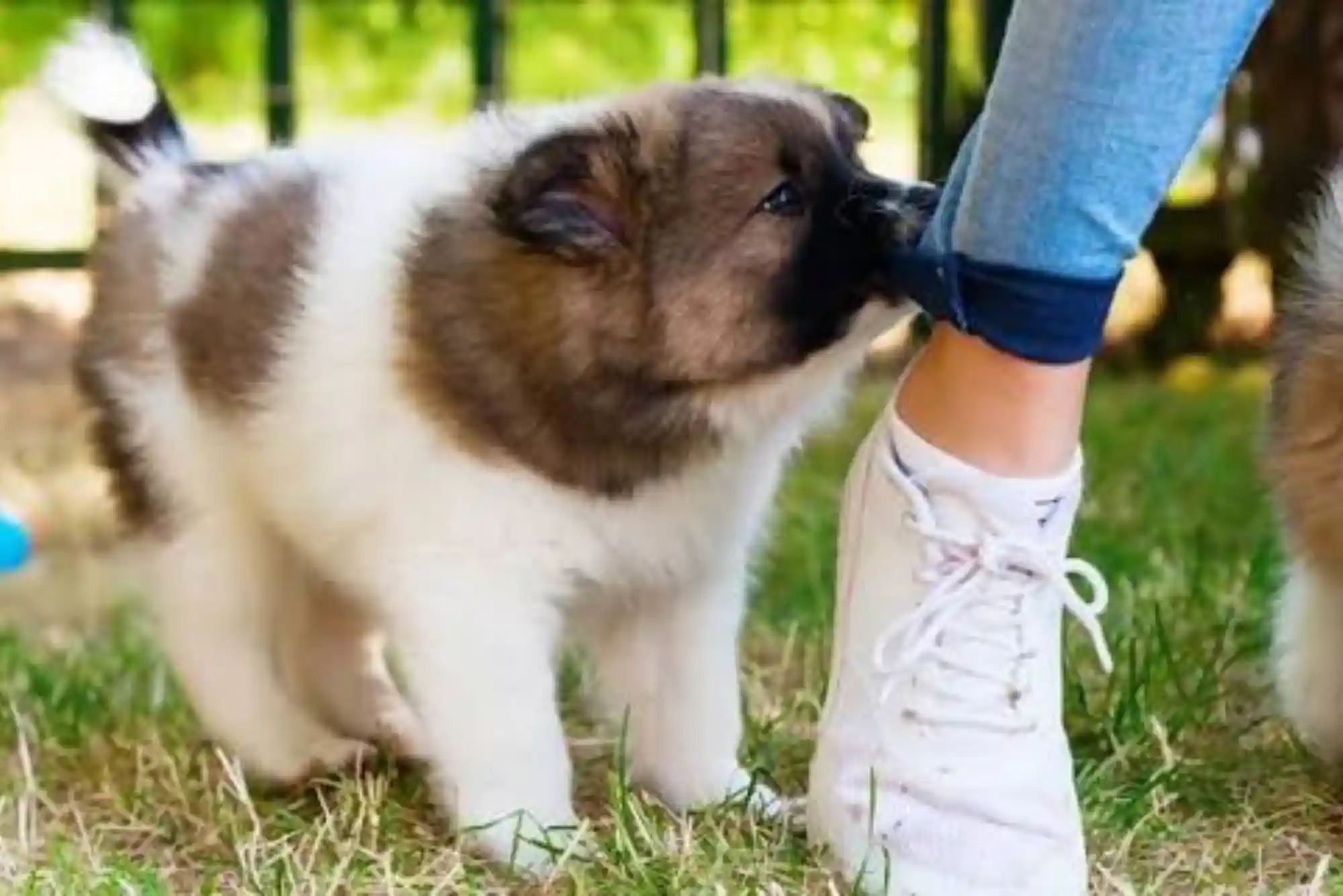
Puppy biting can turn a pleasant walk into a frustrating experience. Many puppies chase moving feet, grab trouser legs, and nip at their owners’ ankles. Although this behavior can feel aggressive, it often comes from excitement, playfulness, teething, or overstimulation.
Understanding how to stop a puppy from biting ankles and pant legs during walks requires patience and consistent training. Puppies explore their surroundings with their mouths. They also learn about appropriate behavior through everyday interactions.
Fortunately, you can teach your puppy to walk calmly without biting. The key is to understand the cause, redirect unwanted behavior, and reward better choices. With the right approach, walks can become safer and more enjoyable for both of you.
Why Do Puppies Bite Ankles and Pant Legs During Walks?
Puppies naturally chase moving objects. When your legs move, your puppy may interpret them as exciting toys. This instinct is especially common in energetic puppies and herding breeds.
Teething can also contribute to biting. Young puppies experience discomfort as their adult teeth develop. Chewing on clothing or ankles may temporarily relieve that discomfort.
Another common cause is overstimulation. Outdoor environments contain unfamiliar smells, sounds, people, and animals. When puppies become overwhelmed, they may struggle to control their excitement.

Sometimes, puppies bite because they want attention. If biting makes you stop, speak, or move dramatically, your puppy may find the reaction entertaining. Even negative attention can reinforce the behavior.
Recognizing these triggers helps you choose the most effective training method. Instead of punishing your puppy, focus on teaching an appropriate alternative.
How to Stop a Puppy from Biting Ankles and Pant Legs During Walks
The most effective approach combines calm handling, redirection, and positive reinforcement. Your puppy needs to understand which behaviors earn rewards and which behaviors end the fun.
Stop Moving When Your Puppy Starts Biting
When your puppy grabs your pant legs, avoid pulling your clothing away quickly. Sudden movements can make the fabric seem like a game.
Instead, stop walking and keep your body as calm as possible. Avoid shouting, kicking your feet, or pushing your puppy away.
Wait for a brief pause in the biting. Then encourage your puppy to focus on you or a suitable toy. Reward the moment your puppy releases the clothing and settles.
If the biting continues, calmly create some distance or use a barrier when practical. Resume walking when your puppy is calmer.
Consistency matters because puppies learn through repeated experiences. If biting sometimes starts an exciting game, the behavior may continue.
Redirect Biting Toward an Appropriate Toy
Redirection teaches your puppy what to bite instead. Carry a lightweight tug toy or suitable puppy chew during walks.
When your puppy approaches your ankles with an open mouth, offer the toy before biting begins. Move it gently away from your clothing to encourage appropriate play.
Once your puppy grabs the toy, praise the behavior. You can then continue walking when your puppy is calm enough to focus.
Avoid waving the toy wildly near your legs. This may increase excitement and encourage jumping.
Choose toys that are safe for your puppy’s size and chewing strength. Supervise their use and replace damaged toys promptly.
Reward Calm Walking With Treats
Positive reinforcement helps puppies understand exactly what you expect. Carry small, soft treats during training sessions.
Reward your puppy whenever they walk beside you without grabbing your clothing. Initially, provide treats frequently because your puppy is still learning.
Use a consistent cue, such as “let’s go” or “with me.” Say the cue before moving forward, then reward your puppy for following calmly.
Gradually increase the distance between rewards as your puppy improves. Continue praising good behavior even when treats become less frequent.
This method teaches your puppy that walking calmly is more rewarding than chasing your feet.
Manage Your Puppy’s Energy Before Walks
An energetic puppy may struggle to control biting during exciting outdoor experiences. However, excessive exercise is not always the answer, especially for very young puppies.
Before a walk, allow a short period of calm play or simple training. Practice basic cues, such as responding to their name or touching your hand with their nose.
Mental stimulation can help your puppy settle. Sniffing games, food puzzles, and short training sessions encourage thinking without requiring strenuous exercise.
Make sure your puppy receives enough sleep throughout the day. Overtired puppies often become more excitable, mouthy, and difficult to redirect.
If biting regularly begins near the end of a walk, shorten the outing temporarily. Choose quieter routes and finish before your puppy becomes overwhelmed.
Teach Your Puppy to Focus on You
Attention training provides a useful alternative to ankle biting. Start indoors, where distractions are limited.
Say your puppy’s name once and reward them when they look toward you. Repeat this exercise in short sessions.
Next, practice taking a few steps around your home. Reward your puppy for following you without grabbing your clothing.
When this becomes easier, practice in a quiet outdoor area. Gradually introduce more distractions as your puppy improves.
If your puppy becomes too excited to respond, increase the distance from distractions. Return to an easier environment instead of repeatedly giving commands.
Remember that puppies have limited attention spans. Several short sessions are often more productive than one long training session.
What to Do When Your Puppy Becomes Overexcited
Some puppies suddenly jump, bite, and tug at clothing during walks. This behavior can happen when excitement exceeds their ability to regulate themselves.
When this occurs, stop adding stimulation. Avoid running, shouting, or pulling against your puppy.
Guide your puppy toward a quieter area if it is safe to do so. Give them an opportunity to sniff and settle before continuing.
If the biting persists, end the training session calmly when practical. You may need to carry a small puppy away from a difficult situation, provided it is safe and comfortable.
Do not assume every biting episode means your puppy needs more exercise. Fatigue, frustration, fear, and overstimulation can produce similar behavior.
Observe when the episodes occur. This helps you adjust the timing, route, and duration of future walks.
Common Mistakes That Make Puppy Biting Worse
Punishing a puppy for biting can create confusion or fear. Yelling, hitting, and physical corrections may increase excitement or damage trust.
Pulling your legs away repeatedly can also encourage chasing. Instead, minimize movement and redirect your puppy toward an appropriate behavior.
Another mistake is rewarding biting unintentionally. Laughing, wrestling, or immediately offering an exciting game may reinforce the unwanted behavior.
Avoid expecting perfect walking skills too early. Puppies need repeated practice before they can remain calm around distractions.
Finally, do not ignore signs of distress. A puppy that freezes, tucks its tail, repeatedly tries to escape, or reacts defensively may need more distance and a gentler introduction to walks.
When Should You Seek Professional Help?
Most puppy mouthing improves with consistent training and maturity. However, some situations require additional support.
Consult a veterinarian if the biting begins suddenly, appears painful, or accompanies other changes in behavior. A veterinary assessment can help identify possible medical causes.
Consider a qualified, reward-based dog trainer if your puppy repeatedly bites hard, breaks skin, guards objects, or cannot be redirected. Professional guidance can help you identify triggers and develop a safe training plan.
If children are present, supervise interactions closely. Keep them separated from a puppy that is actively biting until you have a reliable management plan.
Safety should always come before completing a walk. You can build walking skills gradually without exposing yourself or others to unnecessary risk.
Frequently Asked Questions
Why does my puppy bite my ankles when I walk?
Puppies often bite moving ankles because movement triggers chasing and play instincts. Teething, excitement, frustration, and tiredness can also contribute. Identifying the trigger helps you choose an appropriate response.
How do I stop my puppy from biting my pants and shoes?
Stop moving calmly and avoid turning the behavior into a chase. Redirect your puppy toward a suitable toy and reward calm walking. Practice frequently in quiet environments before introducing harder distractions.
Should I ignore my puppy when it bites me?
Briefly withdrawing attention can help when biting is attention-seeking or playful. However, ignoring the behavior alone may not work if your puppy is overstimulated or frightened. Combine calm pauses with redirection and rewards for appropriate behavior.
At what age do puppies stop biting?
Puppy mouthing often decreases as puppies mature and learn bite inhibition. Teething commonly occurs during the first several months, but individual timelines vary. Consistent training remains important throughout adolescence.
Why does my puppy bite more during walks than at home?
Walks contain more movement, smells, sounds, and unfamiliar experiences. These distractions can increase excitement or frustration. Shorter walks, quieter routes, and frequent rewards can make outdoor training easier.
Conclusion
Learning how to stop a puppy from biting ankles and pant legs during walks starts with understanding your puppy’s behavior. Chasing, teething, overstimulation, and attention-seeking can all contribute to this common problem.