
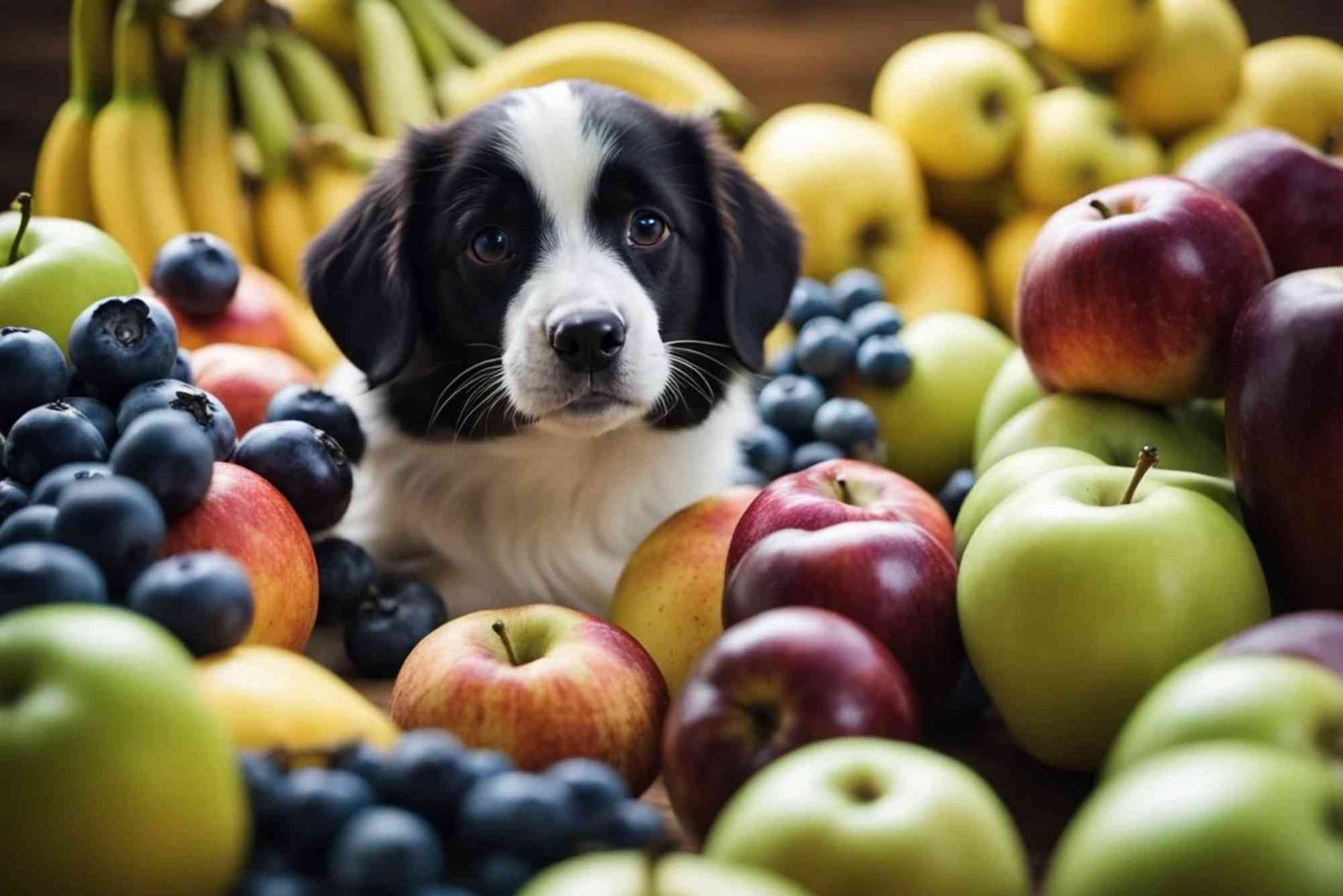
Can Dogs Eat Apples, Bananas, and Carrots? Fiber Benefits and Choking Hazard Prevention
Can Dogs Eat Apples, Bananas, and Carrots? Fiber Benefits and Choking Hazard Prevention is an important topic for dog owners who want to offer healthy treats. Apples, bananas and carrots can provide useful nutrients when prepared correctly. However, dogs have different dietary needs from humans. Therefore, even healthy foods should be offered in sensible amounts.
Fruit and vegetables can add variety to a dog’s diet. They can also provide fibre, vitamins and water. Nevertheless, preparation matters just as much as the food itself. Large pieces may become choking hazards. Some parts of certain fruits can also be unsafe for dogs.
Understanding Can Dogs Eat Apples, Bananas, and Carrots? Fiber Benefits and Choking Hazard Prevention can help owners make safer choices. It also makes it easier to recognise when a treat should be avoided. For broader guidance about responsible pet ownership, an Animal Welfare & Care Guide can provide useful background information.
Can Dogs Eat Apples, Bananas, and Carrots? Fiber Benefits and Choking Hazard Prevention
Yes, most healthy dogs can eat small portions of apples, bananas and carrots. These foods are generally considered suitable as occasional treats when prepared appropriately. However, they should not replace a complete and balanced canine diet.
Each food has a different nutritional profile. Apples contain fibre and vitamin C, while bananas provide carbohydrates and potassium. Carrots offer fibre and beta-carotene, which the body can convert into vitamin A.
The main concern is portion size and preparation. A whole apple, thick carrot chunk or large piece of banana can be difficult for some dogs to swallow. Therefore, owners should consider their dog’s size, age, chewing habits and individual health needs.
| Food | Potential benefit | Main concern | Safer preparation |
|---|---|---|---|
| Apple | Fibre and vitamin C | Seeds, core and choking | Remove core and seeds, then cut into small pieces |
| Banana | Potassium and fibre | High natural sugar | Serve small, thin pieces |
| Carrot | Fibre and beta-carotene | Large hard pieces | Slice thinly or cook until softer |
| Apple skin | Additional fibre | May be harder to digest | Wash thoroughly and use small pieces |
| Cooked carrot | Softer texture and nutrients | Added seasoning | Serve plain without salt or spices |
Can Dogs Eat Apples Safely?
Apples can be a refreshing occasional treat for many dogs. They contain water and fibre, making them useful when served in moderation. Their natural sweetness can also make them appealing to dogs.
However, owners should never simply give a dog a whole apple. The core and seeds should be removed before serving. Apple seeds contain compounds that can release cyanide when crushed and digested in sufficient quantities.
The core is also a physical choking risk. It can be difficult for a dog to chew properly, particularly if the dog eats quickly.
Wash the apple thoroughly before preparation. Remove the stem, core and seeds. Then cut the flesh into small pieces that match the dog’s size.
For a small dog, very small pieces are preferable. Larger dogs may manage slightly bigger pieces, but supervision is still sensible.
Can Dogs Eat Bananas?
Bananas are generally safe for dogs when given as an occasional treat. They contain potassium, vitamin B6, vitamin C and dietary fibre. Their soft texture also makes them easier to prepare than harder fruits.
However, bananas contain natural sugars and carbohydrates. Giving large amounts may contribute unnecessary calories. This can become particularly important for dogs that are overweight or have dietary restrictions.
A few small pieces can be enough for many dogs. The peel should not normally be offered because it is difficult to digest and may cause stomach upset.
As with Can Dogs Eat Apples, Bananas, and Carrots? Fiber Benefits and Choking Hazard Prevention, moderation is essential. A healthy food can still become unsuitable when served in excessive quantities.
Are Carrots Good for Dogs?
Carrots can be a useful low-calorie treat for many dogs. They contain dietary fibre and beta-carotene. They can also provide a crunchy texture that some dogs enjoy.
Raw carrots may be suitable for dogs that chew carefully. However, large chunks can become choking hazards. This is especially important for small dogs and dogs that swallow food quickly.
Cutting carrots into appropriately sized pieces can reduce this risk. Cooking carrots without salt, butter, oil or seasoning can also make them softer.
Carrots should therefore be viewed as an occasional addition rather than a replacement for nutritionally complete dog food.
Why Is Fibre Important for Dogs?
Fibre plays an important role in normal digestive function. It can support healthy bowel movements and contribute to a balanced digestive system.
Some types of fibre absorb water, while others add bulk to intestinal contents. This can help support normal stool consistency.
Apples and carrots can provide fibre, while bananas also contain dietary fibre. However, suddenly giving a dog large quantities of fruit and vegetables can cause digestive problems.
Too much fibre may result in gas, loose stools or abdominal discomfort. Therefore, new foods should be introduced gradually.
A dog’s main diet should remain nutritionally complete. Treats, including fruit and vegetables, should form only a small part of the overall diet.
How Can You Prevent Choking When Giving Dogs Fruit and Vegetables?
Choking prevention is one of the most important parts of Can Dogs Eat Apples, Bananas, and Carrots? Fiber Benefits and Choking Hazard Prevention.
Dogs do not all chew food in the same way. Some carefully chew every bite, while others gulp treats almost immediately. Fast eaters need particularly careful preparation.
Cut food into small, manageable pieces. The pieces should be appropriate for the dog’s mouth and chewing ability. Avoid giving large chunks of hard carrot or apple.
Supervision is also important. Watch your dog while eating a new food. If your dog struggles to chew or swallow it, remove the food and try a softer preparation.
Young puppies, older dogs and dogs with dental problems may require softer foods. Individual circumstances can therefore change what is considered an appropriate treat.
Can Dogs Eat Apple Cores or Seeds?
Dogs should not be given apple cores or seeds intentionally. The core can present a choking or obstruction risk, while apple seeds contain compounds that can release cyanide.
Accidentally eating one or two seeds is unlikely to cause poisoning in most circumstances. However, deliberately feeding apple seeds is unnecessary and should be avoided.
The safest approach is simple. Remove the entire core and all visible seeds before giving apple pieces to your dog.
How Much Fruit and Vegetables Can Dogs Eat?
There is no single portion size that suits every dog. A Chihuahua and a Great Dane have very different nutritional requirements.
Treats should generally remain a small part of a dog’s daily calorie intake. Fruit and vegetables should also be introduced gradually.
If your dog has diabetes, obesity, allergies, digestive problems or another dietary concern, speak with a veterinary professional before introducing new treats.
Owners should also remember that individual dogs can react differently. A food that suits one dog may cause digestive upset in another.
Can Puppies Eat Apples, Bananas, and Carrots?
Puppies can often eat small amounts of suitable fruit and vegetables. However, their nutritional requirements are especially important during growth.
Puppies should primarily receive a complete food formulated for their developmental stage. Treats should remain limited so they do not displace essential nutrients.
Texture is also important. Young puppies may struggle with hard or large pieces. Soft, appropriately sized pieces are usually easier to manage.
When introducing a new food, give a very small amount first. Monitor your puppy for digestive upset or other unusual reactions.
What Should You Do If Your Dog Chokes?
Choking is an emergency. If a dog is struggling to breathe, coughing severely, pawing at the mouth or showing signs of distress, immediate action may be necessary.
Do not blindly put your fingers into a dog’s mouth. A frightened dog may bite, even if normally gentle.
If your dog cannot breathe or loses consciousness, seek emergency veterinary care immediately. Knowing basic canine first aid can also be valuable before an emergency occurs.
For reliable pet-care information, owners can also consult resources such as Alkhayre and veterinary professionals when they need guidance suited to their individual dog.
How Should You Introduce Apples, Bananas, and Carrots?
Introduce one new food at a time. This makes it easier to identify the cause if your dog develops digestive problems.
Start with a small piece and observe your dog afterwards. Watch for vomiting, diarrhoea, excessive gas, itching or other unusual reactions.
If your dog remains comfortable, the food can occasionally be offered in a suitable portion. However, variety should never come at the expense of a balanced canine diet.
Preparation should always come first. Remove unsafe parts, wash produce thoroughly and cut food into manageable pieces.
What Are the Main Benefits of These Foods?
Apples, bananas and carrots each offer different nutritional benefits. Apples provide fibre and several micronutrients. Bananas offer potassium and vitamin B6. Carrots are notable for beta-carotene and fibre.
Their water content can also make some fruits and vegetables useful as refreshing treats. However, these benefits do not make them essential foods for every dog.
The best diet depends on the dog’s age, size, activity level and health. Treats should complement that diet rather than replace it.
For additional information about vegetables that may be appropriate for dogs, PetMD Canine Safe Vegetables is another useful resource to explore alongside professional veterinary advice.
Can Dogs Eat Apples, Bananas, and Carrots Every Day?
Dogs may tolerate small amounts of these foods regularly, but daily feeding is not necessary. The appropriate frequency depends on the dog’s overall diet and calorie requirements.
Too many treats can contribute to excessive calorie intake. Fruit also contains natural sugars, so portions should remain controlled.
Rotating occasional treats can provide variety without relying heavily on one food. However, the dog’s complete food should remain the nutritional foundation.
Owners should also consider whether their dog has a medical condition requiring dietary management. In such cases, veterinary advice should come before introducing regular treats.
Frequently Asked Questions
Can dogs eat apples?
Yes, most dogs can eat small amounts of apple flesh. Always remove the core and seeds first. Cut the apple into appropriately sized pieces to reduce choking risks.
Can dogs eat bananas?
Yes, dogs can generally eat small quantities of banana. Bananas contain potassium and fibre but also natural sugar. Therefore, they are best treated as an occasional snack.
Can dogs eat carrots?
Yes, carrots can be suitable for many dogs. They provide fibre and beta-carotene. Hard or large pieces should be avoided because they may create a choking hazard.
What fruits are safe for dogs?
Several fruits can be suitable for dogs in moderation. However, safety depends on the specific fruit and how it is prepared. Remove toxic or difficult-to-digest parts before serving.
Can dogs eat apple skin?
Many dogs can tolerate properly washed apple skin. Nevertheless, the core and seeds should always be removed. Small pieces are easier for dogs to chew and swallow safely.
Are bananas good for dogs?
Bananas can be a nutritious occasional treat. They provide potassium and fibre. Their sugar content means they should not be offered in excessive amounts.
Can dogs eat raw carrots?
Many dogs can eat raw carrots safely when pieces are appropriately sized. Large, hard chunks may create a choking risk. Softer cooked carrots can be easier for some dogs.
Conclusion
Can Dogs Eat Apples, Bananas, and Carrots? Fiber Benefits and Choking Hazard Prevention comes down to three principles: suitable foods, sensible portions and careful preparation.
Apples, bananas and carrots can provide fibre and useful nutrients for many dogs. However, they should remain occasional treats rather than substitutes for complete dog food.
Always remove apple cores and seeds. Cut hard foods into manageable pieces. Supervise your dog, particularly when introducing something new.
Most importantly, consider your dog’s individual needs. If you are unsure whether a particular food is suitable, speak with your veterinary professional before making it part of your dog’s routine.
A little preparation can make healthy treats much safer. Choose suitable foods, serve sensible portions and keep choking prevention at the centre of every treat-time decision.


