
Introduction
The best keyword research tools for web designers targeting easier keywords with ranking potential in 2026 are now a core part of modern web development and SEO planning. In today’s competitive digital world, designing a visually appealing website is not enough. A website also needs to rank on search engines to generate traffic, leads, and conversions.
Web designers in 2026 are expected to understand SEO basics, especially keyword targeting. The reason is simple: without the right keywords, even the best-designed websites fail to appear in search results. That’s why keyword research tools have become essential in identifying low-competition opportunities that are easier to rank for.
Instead of focusing only on high-volume keywords, smart designers now target long-tail and low-difficulty keywords. This strategy helps new websites gain visibility faster and compete with established domains more effectively.
Why Keyword Research Matters for Web Designers
Keyword research is the foundation of SEO-friendly web design. It helps designers understand what users are searching for and how they phrase their queries. In 2026, search engines are more focused on user intent rather than exact keyword matching.
For web designers, keyword research matters because:
- It helps structure website pages properly
- It improves SEO performance from the start
- It increases organic traffic potential
- It reduces dependency on paid ads
- It aligns design with user behavior
Without proper keyword planning, even a beautifully designed website may struggle to rank.
Key Features of the Best Keyword Research Tools
Before choosing any tool, web designers should understand what makes a keyword research tool effective.
Low Competition Filtering
A good tool should highlight keywords that are easier to rank for, especially for new websites.
Search Intent Analysis
Understanding whether a user wants information, a service, or to make a purchase is very important.
Keyword Difficulty Score
This helps designers avoid highly competitive keywords that require strong backlinks.
Simple Interface
Web designers often prefer clean, visual tools rather than overly complex dashboards.
Content Opportunity Insights
Advanced tools suggest related topics and keyword clusters for better SEO planning.
Best Keyword Research Tools for Web Designers in 2026
Ahrefs for Advanced Keyword Strategy
Ahrefs is one of the most powerful SEO tools available today. It provides deep insights into keyword difficulty, competitor analysis, and ranking potential.
Web designers use Ahrefs to:
- Identify strong and weak competitors
- Analyze keyword difficulty accurately
- Explore content gaps in niche markets
- Study backlinks of top-ranking pages
This tool is especially useful when building SEO strategies for high-quality client websites.
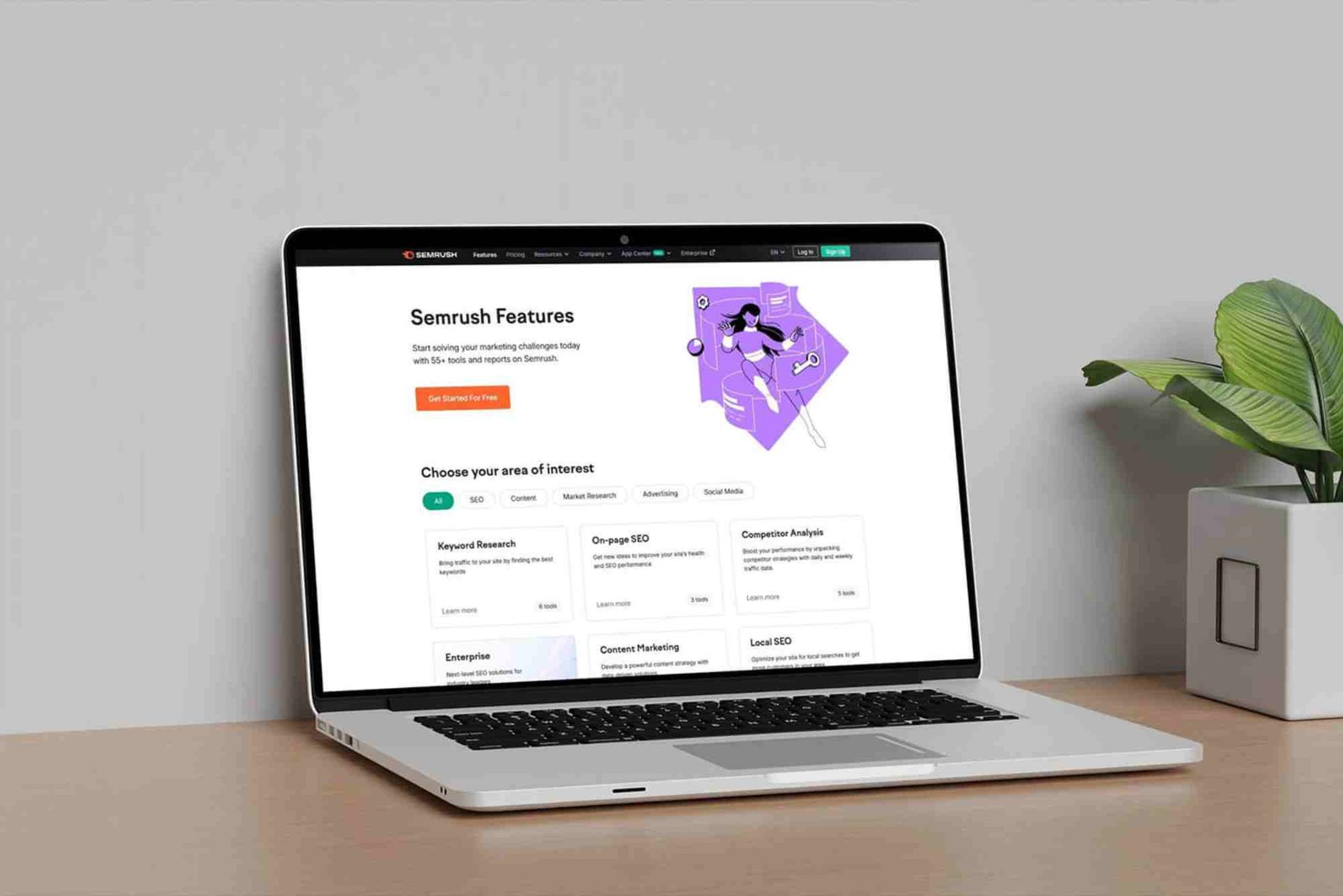
Semrush for Complete SEO Planning
Semrush is an all-in-one SEO platform that goes beyond keyword research. It helps in building complete content strategies.
Key benefits include:
- Keyword clustering and grouping
- Competitor keyword analysis
- Search intent classification
- Topic research for content planning
For web designers managing multiple projects, Semrush provides a complete SEO ecosystem.
LowFruits for Easy Ranking Keywords
LowFruits is specifically designed to find low-competition keywords that are easier to rank for.
It helps by:
- Identifying weak websites ranking on Google
- Highlighting “easy win” keywords
- Filtering high-authority dominated search results
This makes it one of the most valuable tools for new websites or small businesses targeting fast SEO results.
KWFinder for Beginners
KWFinder by Mangools is known for its simplicity and ease of use.
It provides:
- Simple keyword difficulty scoring
- Long-tail keyword suggestions
- Location-based keyword research
- Clean and beginner-friendly interface
Web designers who are new to SEO often prefer this tool because it avoids complexity while still delivering useful insights.
Google Keyword Planner for Basic Research
Google Keyword Planner is a free tool widely used for keyword validation.
It helps designers:
- Find keyword ideas directly from Google data
- Understand search volume trends
- Identify basic competition levels
- Validate content ideas before designing pages
Although simple, it remains a reliable starting point for keyword research.
Ubersuggest for Budget-Friendly SEO
Ubersuggest is a lightweight tool ideal for freelancers and small businesses.
It offers:
- Keyword suggestions
- SEO difficulty scoring
- Content idea generation
- Basic competitor insights
While not as advanced as premium tools, it is still useful for beginners working on smaller websites.
How Web Designers Should Use Keyword Research Tools
Using keyword tools effectively is more important than just having access to them.
Start with Simple Seed Keywords
Begin with basic terms related to your niche, such as “web design services” or “portfolio website design.”
Focus on Low Competition Keywords
Always prioritize keywords with lower difficulty scores and realistic ranking chances.
Analyze SERPs Manually
Check the actual search results to understand competition quality.
Build Keyword Clusters
Group related keywords into structured sections like services, blogs, and landing pages.
Match Keywords with Design
Ensure website layout and content match the intent behind the keyword.
Importance of Targeting Easier Keywords in 2026
In 2026, SEO trends are shifting toward smarter ranking strategies. Search engines now prioritize content relevance and user satisfaction over raw authority.
Targeting easier keywords helps because:
- New websites can rank faster
- Less backlink effort is required
- Content becomes more focused
- Conversion rates improve
- Organic traffic grows steadily
This makes low-competition keywords extremely valuable for web designers.
Common Mistakes in Keyword Research
Many web designers make mistakes that reduce SEO performance.
Targeting Highly Competitive Keywords
Trying to rank for broad keywords makes it difficult for new websites to grow.
Ignoring User Intent
Not all keywords bring valuable traffic. Intent matters more than volume.
Over-Relying on Tools
Tools provide data, but manual analysis is still necessary.
Not Using Keyword Clusters
Random keyword usage leads to weak SEO structure and poor rankings.
Future of Keyword Research for Web Designers
Keyword research is evolving rapidly due to AI and machine learning.
Future trends include:
- Automated keyword clustering
- AI-based ranking predictions
- Real-time competitor tracking
- Content structure suggestions
- Intent-based SEO optimization
This means web designers will increasingly need to understand SEO strategy along with design principles.
Conclusion
The best keyword research tools for web designers targeting easier keywords with ranking potential in 2026 are essential for building successful websites. SEO is no longer optional; it is a core part of web design.
Tools like Ahrefs, Semrush, LowFruits, KWFinder, Google Keyword Planner, and Ubersuggest help designers identify opportunities that are easier to rank for and more aligned with user intent.
By focusing on low-competition keywords and structuring content properly, web designers can create websites that not only look good but also perform strongly in search engines.
Call to Action
If you want to improve your web design projects and achieve better SEO results, start using keyword research tools strategically. seo keyword research tools Focus on easier ranking opportunities and build websites that grow traffic consistently over time.
FAQs
What is the best keyword research tool for web designers?
Ahrefs and Semrush are the most advanced tools, while KWFinder is ideal for beginners.
Which tool is best for low-competition keywords?
LowFruits is specifically designed for finding easy-ranking keywords.
Do web designers really need keyword research tools?
Yes, because SEO directly affects how well a website performs in search engines.
Can free keyword tools be enough?
Yes, tools like Google Keyword Planner can work for basic keyword research.
How many keywords should be used on a page?
One main keyword with a few related long-tail keywords is ideal for SEO.
Welcome to our blog section where we share valuable insights, guides, and updates to help readers stay informed and engaged. For more details about our platform and services, you can visit our official homepage anytime. Explore more at Alkhayre and learn about our latest content and resources available on the website, including helpful articles, updates, and useful information for all visitors to improve their experience online.
Related Reading: Best SEO Reporting Tools For Web Designers Tracking keyword Wins And Lost opportunities in 2026


